Seasonal Car Care: Preparing for Ontario Winters


Understanding Ontario's Winter Challenges
Winter in Ontario can be harsh, with temperatures often dropping well below freezing and heavy snowfall being a common occurrence. For car owners, this means taking proactive steps to ensure their vehicles are prepared to handle these extreme conditions. Proper seasonal car care is essential not only for maintaining vehicle performance but also for ensuring safety on the road.

Essential Tire Maintenance
One of the most critical aspects of preparing your car for winter is ensuring your tires are ready for icy and snowy conditions. Winter tires are specifically designed to provide better traction and handling. They are made from softer rubber compounds that stay flexible in cold temperatures, offering improved grip. It’s advisable to switch to winter tires as soon as the temperature consistently drops below 7°C.
Additionally, regularly check your tire pressure. Cold weather can cause tire pressure to drop, which can affect handling and fuel efficiency. Keeping your tires properly inflated will help maintain optimal performance and safety.

Battery and Engine Checks
Cold weather can put a strain on your car’s battery. Before winter sets in, have your battery tested to ensure it’s in good condition. If your battery is more than three years old, consider replacing it to avoid unexpected breakdowns. Cleaning the battery terminals and ensuring secure connections can also help prevent issues.
It's also essential to check your engine’s cooling system. Make sure the coolant is filled to the appropriate level and consider using a winter-grade antifreeze to prevent the liquid from freezing. Regular oil changes with winter-grade oil can help your engine run smoothly in cold temperatures.
Visibility and Safety Features
Visibility is crucial during winter months, especially with frequent snowstorms and reduced daylight hours. Ensure your windshield wipers are in good condition and replace them if needed. Use a winter-grade windshield washer fluid that won’t freeze and keeps your windshield clear.
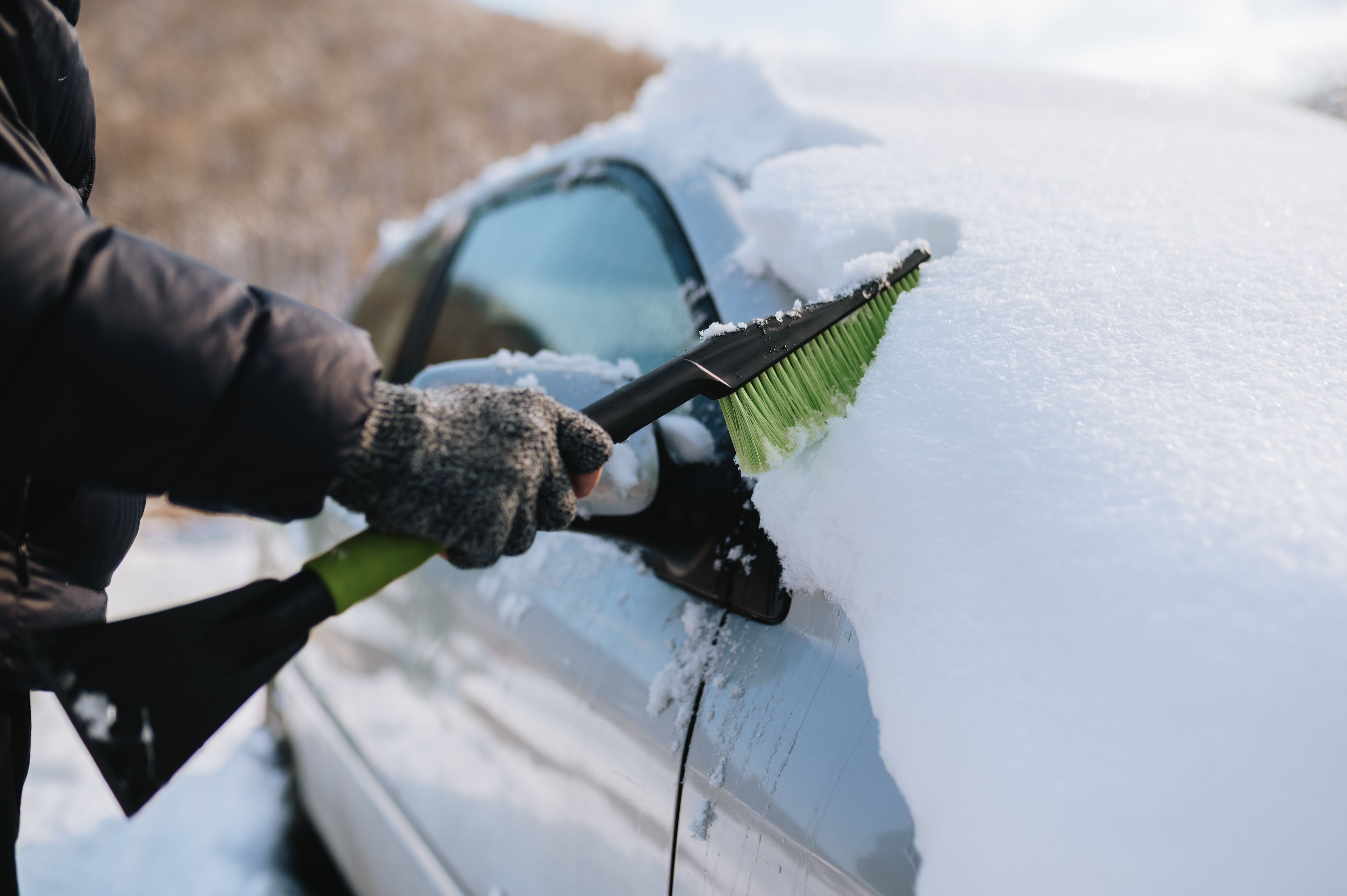
Check all your car’s lights, including headlights, taillights, and brake lights, to ensure they are functioning properly. Clear off any accumulated snow or ice from your lights before driving to maintain visibility for yourself and other drivers.
Emergency Preparedness
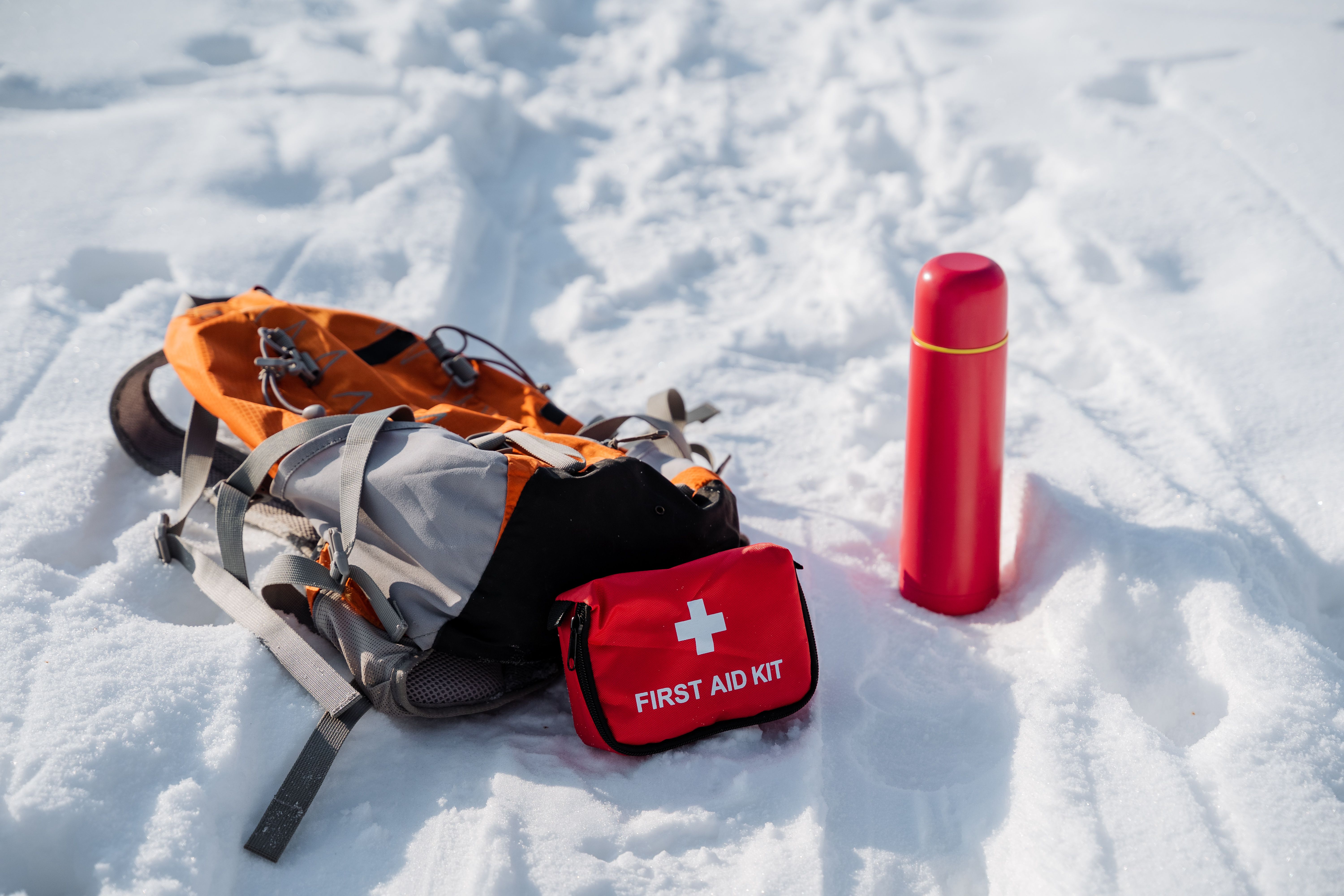
Even with the best preparations, emergencies can happen. It’s wise to keep an emergency kit in your car during winter. This kit should include items such as:
- Blankets and warm clothing
- Non-perishable snacks and water
- Flashlight and extra batteries
- First aid kit
- Snow shovel and ice scraper
- Jumper cables
Conclusion: Staying Safe and Prepared
By taking these proactive steps, you can ensure your vehicle is well-prepared for Ontario’s winter conditions. Regular maintenance and being prepared for emergencies will help you stay safe on the roads throughout the season. Remember, a little preparation goes a long way in preventing winter driving woes.